What are those things in the title? Brake fluid is categorized as one of those three ratings. Most brake fluid that comes in a new car will be rated DOT 3. A few will Use DOT 4, and very few will ever use DOT 5 which is a silicone based product.
If you want to look at brake fluids from a chemical standpoint DOT 3 fluids are based on glycol and glycol esters. DOT 4 fluids are much like DOT 3 fluids, but also contain borate esters. There is another rating called DOT 5.1 that consists of borate esters.
Let’s look at what brake fluid’s (and clutch fluid) real job is. Brake fluid is used to transmit pressure from the brake pedal to the extreme ends where the disk brake calipers or drum brake cylinders are. This pressure is then applied to the pads (or shoes) against the rotation of the brake rotor (or drum). It is this property not to compress that allows it to do its job well.

Back to the chemistry. Notice that water is not listed as a component of brake fluid. Water boils (sea level air pressure) at 212 degrees F (100 C). Since the disk rotor can and will generate over 1000 degrees (F) of heat and transfer 400 degrees or more to the caliper water is not a good fluid to choose.
Why do I mention water? The chemistry of DOT3 and DOT 4 brake fluids attract water. Right out of the air. In fact the anti-freeze you use is probably glycol based just because it mixes well with water.
The difference between the DOT (Department of Transportaion) ratings of brake fluid are the boiling point ranges that they achieve both dry (no water absorbed) and wet (about 3-4% water content). For DOT 3 the dry boiling point is at least 401 and the wet 284 degrees. DOT 4 raises the bar to 446 and 311 respectively. Those are the DOT ratings mind you , and there are high performance brake fluids that exceed those ratings.
The cost of brake fluid can vary as well from less than $0.20 an ounce to over $2.00 an ounce. Some of the high performance fluids are rated well over 500 (to almost 600) degrees boiling point dry. Wet boiling points will also vary, but be well over 400 degrees.
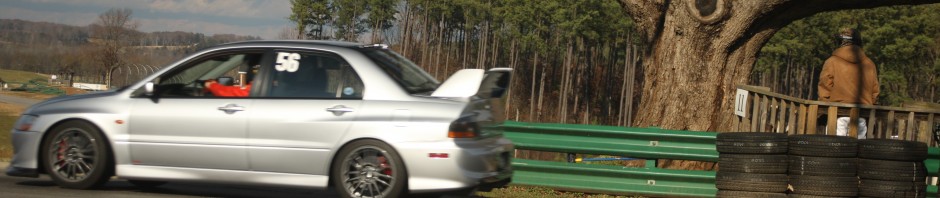
The higher boiling points are critical to those of you that wish to spend time on a race track. Once you boil your brake fluid it will not recover and you MUST bleed and change out the fluid.
The every day driver will find brake performance just fine by sticking with the fluid that the dealership recommends unless they use their vehicle to the extreme, such as a newspaper delivery route or negotiating their way down curvy mountain roads. You will know because the brake pedal will start to feel mushy as the fluid overheats and the pedal may even go to the floor.
So what is the big deal? The big deal is that most of us never flush and replace our brake fluid. In fact, if you go to a garage and have a “brake job” done it is highly unlikely that they will do much more than bleed the brake lines. This means that the old – water soaked – tired – brake fluid will still be there. The water can react to oxidize brake components from the inside out. What you should do, probably once a year, is have the old fluid flushed and completely replaced with fresh brake fluid.
Bleeding Methods
If your mechanic does it the right way they will use a vacuum bleeding system. The first thing they will do is remove all the wheels so they can get to the brake bleed screws. Then they will vacuum out the brake fluid reservoir of old fluid. Then the technician will ensure that new fluid is always kept in the brake fluid reservoir and pull it through the system starting at the brake bleeder farthest from the master cylinder. Vacuum bleeding is preferred since pressure bleeding actually introduces and dissolves air into the new fluid. This will gas out as the new fluid is heated and the pedal will get spongy again.
If you do your own brake bleeding and don’t have access to a vacuum bleeder you can take longer and bleed it in the traditional fashion of using the brake pedal to push out fluid and air. The approach is similar. Loosen the lug nuts, get the car up in the air on jack stands (if you DON’T know how to do this safely, DON’T do it yourself), and take off all the wheels. Prepare yourself with some clear tubing and catch cans for the old fluid. I take used pint sized plastic milk containers and suspend them with bent coat hanger from the caliper or brake drum. The milk containers are nice because you can use the hollow handle to push the tubing into where it will be held on one end while the other end will go over the bleeder screw (valve). Use a box end wrench of the appropriate size to open and close the bleeder screw. You will need someone who follows directions well to sit in the car and use the brake pedal. Don’t let them take their foot off the brake pedal unless the valve is closed.
The goal will be to get the new fluid all the way to the farthest points in the system so the rear brakes will take the longest to flush. A company called Ate makes a blue colored fluid that makes it easy to tell that you have accomplished that.
Unless your factory manual specifies something different you start with the right (passenger side) rear, then move to the left (drivers side) rear, then the right front, and finally the left front. If you have ABS you may need to either leave the engine running or short out a test connector to ensure the ABS pump cycles while bleeding. This last part (ABS) will depend on you doing research on YOUR particular vehicle.
As you cycle from each corner you will have to work in concert with your buddy at the brake pedal. The goal is not to get any air introduced into the system while you bleed it. To prevent air from entering you need to keep the reservoir from going empty. So check it often and add new fluid as needed.
You should also remove as much of the old fluid from the reservoir before you add new fluid to the reservior. A turkey baster or similar device will allow you to do that. Just have spray “brake clean” ready in case any fluid get on painted surfaces. If left on paint it will remove it. PROTECT YOUR EYES.
The routine for bleeding as a team goes like this. The person in the car on the brake pedal needs to pay attention to your instructions so that they won’t lift their foot off the pedal if you have the bleeder still open. The first thing you will ask them to do it pump the brake pedal about three times. This is to ensure that some pressure is in the line so that fluid (and any air, water, etc.) will come out of the bleeder when you open it. They shouldn’t pump the pedal like they are making a panic stop. Just a nice easy stroke will do the job. They don’t have to keep an enormous amount of pressure on the pedal either. Just enough to move it toward the floor is fine.
After they have pumped the pedal, they should let you know that they are “holding” pressure on the pedal. You should be at the bleeder screw with a wrench on it and a tube going to the catch bottle. You open the valve and close the valve and then let the person on the brake pedal know that they can lift their foot. If the foot comes off the pedal while the valve screw is open you will introduce air into the line – that is not your objective.
There is a product call Speed Bleeders that can be a huge help. It is a bleeder screw with a spring loaded check valve that prevents air from getting back into the system. I’ve seen them sold in auto parts stores, but I know that they are also available on line.

You will need to continue this until you get nice, clean, new fluid out to the particular brake you are working on and then repeat for the other three. Be sure to keep enough fluid in the reservoir to prevent air from entering the system from that end.
You CAN do this yourself if you take your time, get prepared prior to starting, and have someone who knows what they are doing to help you. Otherwise – find a professional that knows what they are doing.
Brake fluids gain contamination as they age and should be replace periodically. If you race you should change your brake fluid as often as you change your oil.


 JIM'S GARAGE
Jim,
Very complete coverage of the topic. I recognize that can in the first pic, I believe it’s what you introduced me to in the corvette. With traffic as it is, and my reckless youth more fully in the rear view mirror these days, I haven’t boiled the fluid, nor warped a rotor in a very long time. However, having done both several times, your advice is really spot on. So many of us, especially in younger days concentrated on the engine, and did little for our breaks except pads.
Are there any extra proceedures for cars with antilock brakes? Especially the first generations? Do we need to do something to cycle the antilock pump to get any stored old fluid out during the flushing proceedure?
Jim, I put a reconditioned power booster on and found that I will also have to replace the master cylinder as it leaks. This is a 77 Nova. I am assuming that I am supposed to use Dot 3. I do not know what is currently in the Master Cylinder. Do I go with Dot 3 or 4?
You would be perfectly safe using DOT 3. If you expect to be stressing the brakes (lotsa heat) move up to DOT 4. There used to be big compatibility issues between the two types but I have been assured by manufacturers that it is no longer a problem.
Should be good with DOT 3, but if you expect to be tough on the brakes with heat (towing, etc.) a switch to DOT4 should not cause any problems as it once did. I’ve been talking to manufacturers and they assure me that compatibility issues have been resolved.
I don’t know how kosher it is but a technique I’ve used with ABS is (while the car is up on a lift) to put the car in gear and rev up the engine and then put on the brakes. That engages the ABS because it reads it as if the wheels have locked up. Of course I did this on an all wheel drive (AWD) car and maybe that makes a difference as well.
Some motorcycles with ABS have a pin you can short out that will cycle the ABS pump and I heard that some of the Bosch ABS systems have diagnostic mode that does pretty much the same thing.
You can always just bolt up everything and go out and drive where you can engage ABS safely and then come back and put it up in the air and bleed again.
I think the vacuum method of pulling the fluid to the bleeder screw should do a pretty good job.
You speed up the wheels on the lift and jam on the brakes? Please, not on my car. Good way to have the rotational inertia, kinetic energy, dissipated all at once in the task of bending your suspension components.
I understand what you are saying Phil, but believe me, if you did the same thing while in contact with the road there is many more times of a bending moment on your suspension components.
No, it is not the ideal way to get the ABS pump to activate, but if used with some common sense it will accomplish that end if no other alternative exists.
I would prefer to be able to activate the ABS pump with either a scan tool or by just having the engine running while bleeding the brakes, but those tools are not always available.
Hello Jim:
Thanks for your timely comments on brakes. As an old-timer mechanical type who still likes things done right (ie, DIY), but whose knees and hips are betraying him, I am disappointed that my just-completed brake job (pads, rotors, shoes, bleeding) has not corrected spongy brake pressure on my 2000 Pontiac Montana with ABS. I guess I have to get back on those knees and pull ALL of the fluid out of the system (I did not get a bubble out when I pump-bled each brake about 8-10 strokes, after replacing the parts). Better this than assuming the culprit is a bad master cyclinder, I suppose.
Any other possibilities?
Many thanks,
Harold Wilson,
Rockwood, Ontario, Canada
One more question… any problem mixing Dot 3 & Dot 4 brake fluids?
ABS can make a brake job can be a little tricky. You may need to find out if GM (Pontiac) has a special procedure to get the ABS ump active while bleeding the brakes.
But try a couple of things for me. Get in the car and start it up and put pressure on the brake pedal. If you continue to apply pressure does the pedal slowly move toward the floor? If the answer is yes that indicates that the system is not a closed system as it should be. So if you’ve removed anything like a brake line or a caliper or a wheel cylinder you need to make certain that the brake line fittings are tight.
Some vans and pickup trucks also have a load sensing proportioning and by-pass valve. On vehicles so equipped it is mounted to the body or frame and connected to the rear axle. It is also connected to the brake lines because it is there to control the amount of pressure that goes to the rear part of the brake system. Its function is to react to changes in loads on the rear of the vehicle. If it has worn or been contaminated with water in the brake system it can leak and make it impossible to get a firm pedal until it is replaced.
I don’t know enough about you Pontiac to know if it has this kind of valve or not.
I do know that GM has produced several models like the GMC Jimmy, Chevy S10 and they all seem to have the characteristic of a spongy pedal right from the factory. It seems strange that the corporation that can produce the Corvette feels that their standard vehicles should have mushy pedal feel.
Mixing DOT 3 with DOT 4? Not a good idea. They have different chemistry. In later cars you can probably get away with it, but older cars should stay with DOT 3 unless all the components are updated.
If this is the first time the brake fluid has been flushed and bled you may be correct in looking to the master cylinder as the culprit
Let me know how it goes.
Well My dirtbike says use dot 4 break fluid only
And I was wondering would dot 3 work If i absalutly had to use it
Like if i only needed it for an hour or so then change it??
OK – if you ABSOLUTELY HAVE to use it you can get away with DOT3, but I would avoid it if at all possible. Remember that the chemestry of the two are very different and one of the reasons the factory says use DOT 4 only is that DOT 3 may not be compatible with inner seals. If you use it for just an hour you really need to flush it out COMPLETELY with DOT 4.
Have a 1991 Toyota with ABS (Bosch/Denso) that I replaced the master cylinder on. When I bled the brakes I could not get more than a couple of drops of fluid out of the left rear and right front wheel cylinders. The right rear and left front bled normally. There are no bleeders on the ABS module.
Any suggestions.
Did you “bench bleed” the master cylinder prior to mounting it? That is where you set the master cylinder on a bench and with tubes going from the outlets back to the reservoir and manually pump fluid through the master cylinder. This gets air out of the new part and makes sure that you don’t pump a big bubble of air into your brake lines the first time you bleed the system as a whole.
If you didn’t, you can still fix things. First take off the master cylinder and bench bleed it. You will still have air in your system, but I believe you can get rid of it.
There are a couple of ways to bleed the system now. Fortunately these early ABS systems are not usually as complex as the newer ones are so there is a good chance that normal bleeding techniques will get the job done.
There is the two person method (unless you have Speed Bleeders) where one person operates the pedal and another opens and shuts the bleeders, but it sounds like you know this already.
There is also gravity bleeding where you put hoses and containers on all the bleeders and then, keeping the master cylinder reservoir filled, open all the bleeders and let gravity slowly push fluid to the extremes.
Vacuum bleeding might also be an option for you, but I think you will be fine with the method you have been using.
As far as the ABS goes you can try leaving the engine running as you bleed the system. With the car safely up in the air you can always put it in gear and then hit the brakes. The ABS system will read that as the brakes locking up and will pump the ABS pump. Be careful when you do this and be certain that the car is secure. If you have any doubts – DON”T use this technique.
Good luck and let us know what happens.
I have a question about my motorcycle. I purchased it used and the owner manual says use dot 3 or dot 4 brake and hydrilic fluid. I really do not care to mix the two and I am wondering if there is a way to tell what is in my system.
If worse comes to worse, in my situation, is there a problem mixing the two with out completely flushing the system
Jeff –
The big concern with the type of brake fluid is its compatability with the flexible components of the brake system. Typically refered to as the “rubber” parts. They are not usually made of rubber but some will coexist well with DOT 3 and then start to fall apart with DOT 4 because of the difference in chemestry between the two fluids. If the owners manual says you can use either DOT 3 or DOT 4 then the manufacturer has taken into account the differences in chemical make up and the “rubber” parts won’t deteriorate because of the difference. So you could go along quite happiliy with a mix of DOT 3 and DOT4.
In order to tell which is in you system presently it would take some chemical analysis that you would best to go to a lab to have done.
You want to flush your brake fluid once a year in any case. So it might be more cost effective to just go ahead and put in your choice and completely replace what is in the system now. Any residual not flushed will not harm your brake systems components.
(i dont know perfectly english)
i have an 2000 mitsubishi galant, i cheked the brake fluid container, and it was to the minimum line, i dont know what type it was, if dot3 or dot4, i went to the autozone and i buy a dot 4 , and i fill with this… my question if there will be any problem by mixing dot3 with dot 4.
in top of the container says i can fill with dot3 or dot4.
Edwin you are in luck since the Mitsubishi brake systems can tollerate both DOT 3 and DOT 4 brake fluids. So no problem there. Mixing the two fluids should not cause any problem either.
What you should consider though, is why is the fluid low? Typically the fluid gets lowwer as the pads wear so you should pull the wheels and check the thickness of the brake pads soon. Many brake systems use the fact that the fluid level drops to turn on a warning light. This, along with noise makers on some pads, will tell you that your pads have warn to the point that they should be replaced.
When you change your pads (and or rotors) be sure to replace all the brake fluid with fresh stuff.
thanks so very much i will check the pads soon. 🙂
Jim, My 94 dodge Viper calls for DOT3 Brake Fluid. can i use Dot 4?
Mitchell –
When DOT 3 is specified over DOT 4 it usually means that there could be incompatibility between the chemistry of the seals of the brake system and DOT 4 fluid. If you are looking for better performance you might want to see if any TSB’s (technical service bulletins) have come out from the factory on brake fluid for your Viper that would allow you to use a DOT 4 fluid.
A dealership should have the latest information on that. http://www.alldata.com can be a help there.
You can also check with a DOT 4 brake fluid manufacturer and see if they have something compatable with a DOT 3 system.
Jim
Jim, I have a 1969 Peugeot 404 Sedan and was at a recent import show when the topic of Dot 3 vs. Dot 5 came up. I need a second opinion. Since I don’t have ABS brakes on that car, I was told that the Dot 3 tends to damage the rubber seals in the wheel cylinders and if the car sits for a period of time the brakes can lock up or stick. The Dot 5, due to the silicone base, helps keep the old rubber parts in better shape. Any thoughts on that? Thanks for your help.
Rob –
If you drive the Peugeot from time to time and change and flush the brake fluid once a year you should have no problems. The 404’s brake system components were designed to be compatible with DOT 3. If you were to switch to a DOT 5 brake fluid you would have to replace all the components in the brake system. I have seen situations where people have tried to flush the brake system instead and the results have not been good. If you REALLY want to try a synthetic brake fluid then try a DOT 5.1. Motul makes a DOT 5.1. That way you won’t have to change out everything.
Are you storing your car for long periods, say 3-6 months? In that case a DOT 3 or 4 fluid will suck moisture out of the air, but since the fluid is not being disturbed by use the amount should be minimal and contained in the reservoir.
If this is a street driven car then you should be fine with yearly flush of the system. If you put this car on a road racing track you should flush the system as part of the normal preparation in any case.
Hope this information helps.
Jim
Jim
I am rebuilding an E type Jag from the ground up. Have had the brake system totally overhauled (stainless steel sleeved the calipers, new brake lines etc) It will be a weekend driver. What do you recommend as a brake fluid? If I use Dot5 what is the cleaning fluid you can use with it that is compatable?
Geoff –
It sounds like a great car. I am so jealous. I don’t recommend the DOT 5 brake fluid as I have found it is more trouble than it is worth. It can be a bit more compressible than DOT 3 or 4 as well, and I don’t think you will require the high heat capabilities.
It is great that you have been able to sleeve the calipers as that was a weak spot. You really should be fine with a good quality DOT 4 fluid. I would just change it out once a year.
Enjoy this classic. I would love to see the photos of the finished project.
Jim
I am restoring a 1962 Triumph TR4, and trying to determine whether it currently has DOT 5 brake fluid in the system. I’ve taken some DOT 4 and added some of the fluid from the car to see if they will mix, but the results are not conclusive. I don’t want to add the wrong fluid. How do I tell? The only other option is to replace everything in the brake system and start with new fluid.
DOT 5 is a silicoln based fluid and will not remove paint. So if you can take an eye dropper full of the fluid and put it on something that you don’t mind having the paint ruined on that should let you know in an hour or two if it is DOT 5 or not. If it disolves paint then it is DOT 3 or 4.
I have a H3 Golf Car. The cap on the brake fluid says to use ONLY Dot 4 fluid. The mechanic had to install a new brake line and drained and refilled with Dot 3. When I asked him why he didn’t use Dot 4, he said it didn’t matter.
When it states to only use Dot 4, will it matter? When I need to add fluid, can you mix 3 and 4? And yes, Jim you are right about it disolving paint.
Robin –
You can “probably” get away with using DOT 3, but I would be concerned that the manufacturer said DOT 4 ONLY for a reason. Usually this is because of compatibility with some of the seals and cups in the brake system. You CAN mix DOT 3 and DOT 4, but of course the ideal would be to stick to one and make sure it is the right one.
I am surprised that it needed a new brake line so soon. I hope it was a warranty item.
I would recommend changing to DOT 4 ASAP.
Jim
Jim, you have a great site here. I’m still not clear on the 3, 4, and 5’s. I have a 2000 Dodge Durango and tow with a free wheeling tow-dolly (no brakes) Dodge recommends ‘DOT 3’. Should I move UP to a 4 or even a 5 ? Thanks for the tip on ‘bleeders’ and thanks ahead of time four your response. Tucky
First of all, have you experienced any problems so far? Rule of thumb is – if it isn’t a problem, don’t fix it.
Dodge insists on a DOT 3 for that truck’s brake system. Now I haven’t talked with a Dodge engineer, but I can only surmise that they are concerned about the fluid’s compatibility with seals and other parts of the system. If those parts of the system are designed for DOT 3 then there is a very real possibility that DOT 4’s chemistry would not be compatible.
I have seen cases where a DOT 3 system has been switched to a fluid that claimed to be compatible with both DOT 3 and DOT 4 and then small black particulates started showing up in the fluid after the braking system was subjected to high heat loads.
Stick with a high quality DOT 3 is my advice.
Great info, Jim. Thanks. 2 inside lower seized pistons on a 2003 4Runner today and will be replacing both calipers and flushing the system using your technique. Thanks again. Chris
hi Jim
I’ve a Toyata Camry, 2L, SV21,1992 which states that DOT 3 only be used. The brake shop mechanic told me it’s OK to use the Castrol Response Dot 4 with the front label which states it’s a DOT 4 and DOT 3 fluid. I’m not sure if I should use a straight Castrol DOT 3 instead.
Thanks for your attention
John hon
21/04/08
In the US I would recommend Castrol GT LMS brake fluid if you need to mix fluids. Although I would recommend you replace all the fluid.
Click to access pds_GTLMABrakeFluid.pdf
Castrol states that Castrol Response DOT4 “Advanced braking performance for every day driving. Castrol Response Dot 4 is recommended for use in all cars, motorcycles and light commercial vehicles operating under normal driving conditions where either a DOT 3 or DOT 4 product is required. It is suitable for both disc and drum brakes, including modern vehicles fitted with ABS. ” To me this says that Castrol has a product that will work just fine in your DOT3 system.
Castrol Response is not marketed as such in the US so I didn’t recognize it at first.
I have a 06 gsxr 1000 and not knowing my pap put dot 3 in it when it calls for dot 4. The first ride after he changed it my front brakes locked up tight when I was going about 50 mph, I didnt wreck but I had to bleed the brake line before I could move it. Could the dot 3 caused that or was it something else.
When you say he put in DOT 3 did he just add the fluid to the system or did he bleed the system? If he added it to the system then, it sounds like a true compatability problem. If he bled the system he might have gotten dirt or contamination where it caused the problem. Stick with the factory recommended fluid.
I have a 2001 Alero (DOT 3) and I just added DOT 4 brake fluid which on the can says can be used in all DOT 3 and DOT 4 vehicles. Now it feels like the brakes are locked up and the car won’t move. What can I do? What is going on? Thanks.
In this case I don’t think I would jump to blaming the brake fluid. First check to see if someone might have set the parking brake. It happens.
The next step would be to get it to someone (technician) that has a scan tool to check the control components. The Alero has an EBCM – electronic brake control module, BCM – body control module, and the IPC – instrument panel cluster itself. The technician can check for trouble codes.
If it is not the parking brake this sounds serious. Nothing I would want to try to diagnose through this blog. Have a qualified technician check it out please.
Jim, I need your help. As a father’s day gift, I took my husbands car for an oil change, washed and it topped off his brake fluid (jiffy lube said it was low). So my naive self stood in Pep Boys and figured I’d buy the most expensive one, figuring it was a better brand. Only after I put in 3 tablespoons of this new fluid did I wipe off enough grime to read the brake fluid cover says “DOT THREE ONLY”. And what did I put in? Dot 5. Reading the above comments, it sounds like I didn’t do him much of a favor. What is your advice for me? It’s a 98 Rav4 and I’m not looking to be a widow.
Three table spoons full isn’t too bad. One reason the brake fluid was probably low in the first place is that as the brake pads wear down the fluid level drops. If all it took was three tablespoons then the brakes should be OK as far as wear goes. If it is way down it may be time to replace the pads in any case.
So the two brake fluids are not compatable, but it should not lead to brake failure. Try to find a place (not Jiffy Lube please) and have the brake fluid replaced. A good shop should be able to suck all the old fluid out of the reservoir and then vacuum out the old fluid at each wheel’s bleeder valve as new DOT 3 is added to the reservoir.
That was a very thoughtful Father’s Day gift in any case.
Your advice is wonderful thanks! My neighbor told me that it was possible that the seals could wear out and the brakes might suddenly stop working!
Jiffy Lube actually refuses to touch brake fluid or fill it. I had to beg them to just check the level. Thank you Jim! Glad to know I have a couple of weeks before I have to deal with this. I was told a good clean out of brake fluid is about $200 due to labor.
Jim, I have a 1995 Nissan 240sx that is built up and has a turbo on it. I’m currently using a Centerforce dual friction clutch. I’m using Dot 3 fluild for the clutch. After it has been driven for a short time the pedal seems to feel softer then when I first put the fluid in and the fluid turns a brown color. Is the additional heat from the turbo causing the fluid to breakdown early? Can I run DOT 4 fluid for the clutch or will this have an adverse effect on any seals?
Rod –
The soft pedal indicates that there is a leak in the system somewhere. The fluid getting darker indicate that the master and/or slave cylinder is worn out.
I would consider replacement of the clutch slave cylinder as well as the master cylinder at this time. It sounds like they are at the end of their useful life.
The DOT 3 fluid should be fine even with the hotter engine compartment temperatures that the turbo is creating.
There are aftermarket stainless steel braided lines for hydraulic clutches that replace the stock flexible hose, if you have one. This might be a good time to replace that flexible hose as well.
I’ll bet you are enjoying that 240SX. They are a great rear wheel drive car that is very responsive to modifications.
Jim
I have always wondered about how brake fluid gets contaminated by atmospheric moisture when its in a sealed system. I once read that the air (and the moisture in the air) is able to actually go through rubber brake lines (which seems terribly odd since clearly brake fluid can’t go through the other direction and at times the brake fluid is put under tremendous pressure). If true, it makes me wonder if switching to “stainless steel braided lines” (actually Teflon with braided stainless steel over it) might make brake fluid resist contamination longer.
I also had a conversation with someone at Valvoline who claimed that their DOT4 fluid has special additives to ensure compatibility with DOT3 only braking systems. It makes me wonder if any manufacturer would risk putting out a glycol-based fluid that isn’t compatible with all glycol-based braking systems.
Dan –
Thanks for the comments. I personally have not been impressed with Valvoline and their brake fluid product. When I tried it out for some track use on a previous car I found it did not stand up to the heat and ended up with some black deposits floating around in the fluid. I sent a sample to Valvoline and was told that it was fine. No more detail than that. Nothing to back up their claim that the fluid was fine even though I knew it had been over heated.
If the cap says DOT 3 I stick with DOT 3.
Jim
My base fluid is DOT5 it just needs topping up, not by a lot. Can I use DOT4 ?
All the garages I’ve been to only have DOT4 and trust me it’s a long way for DOT5.
I’d appreciate your advice.
Thanks
Bob
NO! You cannot mix a DOT 5 with anything else. It is not compatable with anything else.
Do not use brake cleaner around paint! Use a damp rag or paint care cleaner instead.
hi, i have an old 86 nissan bluebird wagon that uses dot 3 . but here in portugal is very difficult to find this fluid. my question is can i mix dot 4 or do i have to fluch the system first? or can i only use dot 3??
thanks
Cesar –
Sounds like a tough one. The Nissan really should be kept with DOT3. Switching to DOT 4 would likely lead to deterioraion of the seals. But, if you were willing to change out the master cylinder and maybe the calipers and wheel cylinders with new ones the material used in those seals would likely be more modern and less likely to be affected in a bad way by DOT 4 brake fluid. I would not mix the two types of fluid. I would flush the system as best you can.
If you can find a garage that uses a vacuum bleeder that would be best. Otherwise gravity bleed by opening up all the bleeders and taking the cap off the master cylinder. Be sure to use hoses and catch containers so you don’t get the fluid all over.
I hope this helps.
Jim
Jim, I’ll have to disagree with you about Valvoline. I’ve road raced a Viper for 7 years, and I’ve gone the Motul and Castrol SRF route, and these days I just run Valvoline DOT 3/4 and it’s just fine for track days. I run large AP Racing calipers and typically peak around 160 MPH at my fastest track days and haven’t ever experienced any boiling issues. Just my two cents. (I ended up here because I’ve been considering a pressure bleeder. Good to see somebody helping people out like this.)
Mac –
I’m glad your experience with Valvoline brake fluid was better than mine. It my have been the difference in the make up of the seals in my calipers.
Vacuum bleeding is the way to go in my book and Speed Bleeders take a close seond.
Jim
Greetings: I am considering changing the brake fluid in my 08 Toyota Yaris to the SL.6 low viscosity product made by ATE. The main reason for this is to see if it will enhance my cold weather hydraulic clutch function, as it is noticeably harder to operate on the colder winter mornings.
I assumed it would also be an upgrade for my ABS as they recommend it for these systems. Toyota though specifies Dot 3 fluid be used in the clutch and brakes which in my case share the master cylinder, but does not specifically state not to use any other fluid. Would there be any downside to doing this change over?
Thanks
The SL6 version of Ate is new to North America. I don’t have any direct experience with it, but the write up on the Ate site certainly sounds like it would be just what you are looking for. I would suggest contacting Ate directly about any compatability concerns with its use in a DOT3 system. Ate does say that it meets or exceeds DOT3 requirements, but does not address compatability.
You can email them at:
ate-customerservice@continental-corporation.com
Thanks for the help Jim. Here is the reply I received from ATE customer service verbatim.
Hello: I had forwarded to your question to my Quality Assurance Manager, his
response:
“SL6 may be used in vehicle higher than Model Year 1990 with ABS. It
should not be mixed with DOT3 or used as “add on”. Thx.”
Please let me know if you need further assistance.
Thank you for choosing ATE!
April”
They didn’t specifically use the word compatibility in their response and I used the term in reference to Toyota vehicles in my question to them, so I guess this is a go then!
Thanks again.
Hi Jim
I have a Honda CBR250RR and it says to use DOT 4 brake fluid. I used DOT 3 to top up because I didn’t know [any better]. So far I haven’t had any problems. After reading this thought I should use DOT 4 and planing to flush all DOT 3 and 4 mix and to fill with DOT 4. Will it harm the inner seals and washers?
Thank you
Chinthaka –
Sounds like a good plan to me. You will probably get away without any damage as DOT 4 is more tolerant of DOT 3 in the mix than DOT 3 is of DOT 4 chemestry.
Jim
Hello Jim,
My wife’s 1981 Volvo 245 DL/B21F 4 cyl.engine with 81,457 original miles developed spongy brakes. Local gas station mechanic flushed the DOT-4 fluid out of the car and replaced it with DOT-5. Although there was very small improvement in the brake feel, mechanic assured my wife that this was much better fluid for the car. In one years time the pedal became progressively worse. Black film now coates master cylinder reservoir wall, and the pedal goes down half-way. I decided to replace master cylinder, all wheel calipers and brake hose. Please let me know the best way to flush (get rid of)the DOT-5 fluid to give brakes that hard feel they once had.
Thank you kindly for your help
Dan H.
Dan H. –
I’m sure the mechanic’s heart was in the right place, but, as you found out, DOT 5 was not the way to go.
You have done the right (and expensive) thing in replacing the major components with new. Now the only DOT 5 is that left clinging to the metal lines.
While you have all the major stuff off the car (master cylinder, calipers, flexible hoses, etc. get some compressed air and blow the lines clear. DON’T DO THIS IF YOU HAVE ABS!
Then bench bleed the master cylinder and install it with the reservoir. Then add the flexible hoses, calipers, etc. and fill the master cylinder with fresh DOT 4.
I will assume that you have access to an air compressor because you need to use a vacuum bleeder for the next step. Not a hand vacuum bleeder, but one like the mityvac in the link above.
Start with the caliper on the front driver’s side of the car. I know, this is not the order that most cars do, but this is a Volvo. Vacuum through a good amount of fluid and keep the reservoir from going too low of fluid. Next do the same for the passenger front, then the driver’s rear, and finally the passenger rear caliper. Use plenty of fluid.
The front bleed screws take an 11mm wrench and the rears take an 8mm wrench.
When you are all done be sure to gently pump the brake pedal until it feels firm again. This should only take a half a dozen pumps. When it firms up hold the pedal firmly with your leg and feel if the pedal slowly moves toward the floor. If that happens go around to all the connectors with the proper wrench and make them tighter. You should get to the point where you pedal feels firm and doesn’t sink to the floor.
When you start the car the pedal will move toward the floor, that is normal with a brake booster system. do all your pedal testing with the engine off.
It is a lot of work, but should restore your brake system and make your Volvo safe to drive again.
Jim
Hello Jim,
Thanks for the help and procedure. Although I have air compressor, I do not have vacuum device as you described. Could repeated use of compressed air through the system achieve similar result of evacuating DOT-5 from metal lines, -OR- should I after all the steps described by you are done, drive to a local shop with vacuum equipment and repeat the flushing by suction. One more thing; this Volvo has a pressure warning valve for the 2 hydraulic brake circuits and I was wandering when should the switch be disconnected at the start,later on or at all ?
Thanks again.
Dan
Dan –
The idea behind the vacuum bleeding is to keep from mixing the two fluids.
I understand about not having the tool so here is an alternative method. It is called gravity bleeding.
It is using gravity to force the fluid to the bleeders rather than pressure or pumping the brake pedal. Pumping the brake pedal is to be avoided because it will stir things up.
I will assume that you have the vehicle safely up on jack stands with the wheels off. Keep the cap off the master cylinder reservoir and keep it full of fluid.
Put a clear hose on the bleeder screws and a plastic bottle at the end of the hose to catch the fluid.
Open the bleeder screws and let gravity drain the fluid for you. It will take a while. A long while.
Just be certain to keep the reservior from going empty.
After the bottles have collected a good amount of fluid you can close the bleeder screws and pump the pedal.
You can still go to a garage that has a vacuum bleeder, but it is likely that you will have flushed the system enough.
Best of luck, Jim
I feel for Dan and his Volvo.. Hope all worked out for him.. His plight reminded me of some of the vehicles I have worked on…
I am a mechanic for the Army, and have had to repair quite a few HMMWV’s with issues related to contamination of DOT 5 with other fluids…
HMMWV’s (or Hummers, if you prefer) use DOT 5 fluid, but soldiers are sometimes ingenious at breaking things, and operating a vehicle with low brake fluid is a NO-GO, so… whatever is available WILL be put to use by those who wish to make it home on time.
The worst one I have worked on was a “heavy” (which has a nicely complicated brake system) that barely had brakes when I received it. I opened the MC to find it filled with what resembled grape jello. As I dug further and further into the system, I kept coming up with more and more purple goo…
I figured that this was a mix of DOT 5 and DOT 3 (probably scrounged or found, old and ‘wet’ from poor storage) in a rather ‘dirty’ system that was already overdue for maintenance. What can’t figure out is how it managed to so thoroughly mix throughout the entire system (unless the mixing occurred a LONG time before I eventually received it).
Much of the brake system ended up being replaced, and I had much fun launching long strings of purple spaghetti out of the stainless lines using compressed air…
The total job on that was a bit more than 18 hours.
J.Bob –
That is an amazing story! Thanks for sharing it with us. I groaned as I read your description.
Jim
I know you use a MityVac to suck the fluid out, but I have gone in the other direction. Motive Products makes a Power Bleeder ($50)which uses air pressure to bleed the brakes and like, MityVac, makes bleeding brakes a 1-person job. It works on Saabs, Volvos, BMWs and VWs, maybe some others.
Pour brake fluid into the hard plastic tank that’s a bit like a garden sprayer. Remove the cap from the fluid reservoir and replace it with the cap that is attached via a clear hose to the plastic tank. Pump the tank up to 15 PSI or so on the gauge.
Go to your bleeder, open it and out comes fluid and air. When the bubbles stop, close the bleeder and go on the the next wheel.
It works absolutely great, and can hold enough fluid to flush the entire system.
Hi Jim…Just have another question that you have answered but worried about having a problem. My Son just came home with his 97 Honda Accord Vetc. His Brake light was on so I checked Master cylinder and it was almost empty…so there is a leak. I had a new can of Dot 3 fluid so I added it. It was dark so I didn’t notice til we put the cap back on that it said DOT 4 only. Are we in trouble? Did I mess the system up? Won’t be able to get it checked out for a few days….Thanks Jim….
Wayne –
I don’t think you have ruined anything. If you can find a turkey baster or something like it you can suck out the fluid you put in and find some DOT 4.
When you bleed through the DOT 4 everything should be fine.
Jim
Pingback: 6 spd MT Owners - Page 3 - Nissan Forums: Nissan Altima Forum
I have a 62 XKE convertable. I flushed the system and put DOT 5 in it years ago. I had the roters replaced and the mechanic cleaned the break fluid out and put in GT LMA without telling me. I noticed the clutch fluid was low and put in DOT 5. What is the best thing to do?
Very cool.
Kevin –
I assume you want to go back to DOT 5 – In that case you will need to flush out the GT LMA as soon as possible.
Sounds like you also need to find out why your clutch fluid was low. Unlike brake fluid your clutch fluid level should not change unless there is a leak.
Jim
Pingback: Bleed screw thread size? - Ford Truck Enthusiasts Forums
Pingback: Which Brake Fluid? - Page 2 - Toyota FJ Cruiser Forum
Pingback: Difference between dot 3 and 4? - VW Forum :: Volkswagen Forum
i have a 1985 or 86 military CUCV… a mil spec blazer. 6.2l diesel. Hydroboost break system that is leaking somewhere. I need to top off so i can get somewhere to bleed everything. What should i top off with? it’s supposed to be dot3 though some of the trucks have dot5 in them. what can i do?!
Of course you wouldn’t want to mix DOT 3 with DOT 5 so the first thing is to determine what is in there now. I assume that you don’t have any records on that. To see if it is DOT 3 I would take a Q-tip and put some of the fluid on a painted piece of metal and see if it removes the paint. It might take a while, but DOT 3 and 4 will remove paint which is why you always need to take care of spills. If you are certain that it is not removing paint then you can also be pretty sure that it is DOT 5.
Another way to tell between DOT3/4 and DOT5 is to put some of the fluid in a glass jar and add a few drops of water. Water will mix completely with the DOT3/4 but won’t mix and will remain as a separate blob in the DOT5.
I have recently restored a 1957 T Bird. I put DOT 5 in my brakes so not to destroy the paint. I have added a front wheel disc brake kit which came with bigger rear cylinders, a double master cylinder, 4 wheel puck callipers but did not come with a proportioning value as they said it was not needed. I am having problems getting brake pressure and brakes are very spungy. Should I go back to DOT 3? If so, can you tell me what is the best way to clean DOT 5 out of my system or any other suggestions.
Jim –
Not knowing what kit you used I couldn’t even say if it was compatable with DOT 5. I would check with the manufacturer and see what they say.
As far as flushing the system goes I don’t know of anything to do but vacuum out as much of the DOT 5 as you can with a vacuum bleeding system as the one mentioned in the blog entry above. After that you should use the same vacuum system to bring the DOT 3 or 4 (which ever is approved by the brake upgrade manufacturer) out to the ends of the system. You may have to do so a couple of times with a test drive in between.
Jim
I ACCIDENTALLY TOPPED MY SISTERS TRUCK WITH DOT 5 BRAKE FLUID. HER TRUCK USES DOT 3. I ONLY PUT A COUPLE OF OUNCES IN. IS IT OK TO LEAVE IT ALONE OR SHOULD I DRAIN AND REFILL THE SYSTEM?
That is quite an accident. First try this: Take some regulat DOT3 or 4 and pour a small amount of DOT 5 in it. Does it float to the top? If so you can just use a turkey baster and suck out the DOT 5. Otherwise you will have to flush the system.
Hi Jimmy,
Thank you very much for all the brake fluid info.
I have 1966 GMC truck. Years ago, thinking the higher DOT numbers were better I started using the higher DOT numbers. I am presently using DOT 5.1 and have been using it for a number of years.
My question is, I don’t remember if I went from DOT 3 straight to Dot 5.1 or if at some period I used DOT 5.
From your reading your article, if someone used DOT 5, it is impossible to get it completely out of the system. I did a brake job a few years ago replacing all wheel cylinders and master cylinder at that time I was using DOT 5.1
Any suggestions.
And thanks for taking the time to answer
If you went directly from DOT3 or 4 to DOT 5.1 you should be fine. They are pretty much compatable. If you used DOT 5 before 5.1 then you would have issues that would already be apparent.
It sounds like you should be fine.
Jim
Hi –
I own a Volvo S60 and my little warning signs told me that I had to and put in brake fluid – it was an emergency warning.
Then I stopped and went to the gas station that only carried DOT3 and on the top of the cap on my car it clearly stated use only DOT 4. I figured it should not be much different and went ahead and put in some DOT 3.
I woke up this morning to use my car and is says my brakes are not working and I should stop the car and bring it in.
Altough my brakes do work.. I’m wondering what I should do at this point
It is highly likely that the reason you brake fluid was low was because the brake pads have worn way down. I would get your car in for brake service as soon as possible. If what I think is true you will be getting new pads and maybe new or resurfaced rotors. Have the service technician flush the brake fluid with all new fluid. You should be fine then.
My mountain bike brake system says use dot 5.1 or dot 4. Problem is that there was a flaw from the factory and the caliper and reservoir are made of magnesium. Magnesium and reg brake fluid react to make some sort of gas…..bad for hydro brakes!! So I’ve found a magnesium safe dot 3 fluid but i can’t find anything for dot 4 or 5.1. I’ve contacted a company in Europe that makes the mag safe racing fluid but they don’t seem to be able to give me the answer I’m looking for. Can i run it in the system designed for 4 or 5.1 or is there a magnesium safe dot 4 or 5.1 out there somewhere? Any help is appreciated.
Mike –
It would help if you could tell me who manufactured the brake system you have. Certainly DOT 5 would be compatable if that would suit your needs as it is silicon based.
Brembo makes high performance fluid called Sport.EVO 500++ that might be compatable. First though find out the manufacturer of the brake system components and see if you can contact them for their advice.
Let me know and I will help you research. If you do find and answer, please share.
Jim
The brake system is made by Avid/Sram. It seems they know they messed up but don’t want to warranty them properly so I’m left trying to sort something out so i didn’t waste all that money on them. As for contacting them about possible fluid substitutes, I’m not leaving that one out but I’m leaving it till the end. I have a feeling that they won’t be allot of help.
As far as Dot5, i don’t have a problem running it i just don’t know if the seals will work with it. I assume if it was that simple then the manufacturer would have told others to do this is the first place. Maybe it is that simple though? I’m still talking to the guy from APR brake fluid to see if the AP551 will work with my seals(although i don’t know what they are). I would appreciate any of your help with this.
Mike
Which one of the SRAM brake systems do you have? There is a pdf on their website showing the recommended fluid to use with each of their hydro systems.
Fred
It’s the Avid Juicy Ultimate, but i know what kind of fluid they recommend. The reservoir says 5.1 or 4 right on it. What i want to know is if it’s compatible with either 5.1 or 4 then can i put 3 in it? Or will 3 wreck the seals. Some people say yes, some say no. I need a real answer not just a guess….I can guess. I don’t need my brakes failing while I’m going down a hill at 40+ km/h. I’m a GM mechanic so i know bleeding brake systems more then every once and a while is not needed. However if there is a chemical reaction between the magnesium and the brake fluid causing gas to be released into the brake fluid, that i understand. I need a solution to this…Idealy a brake fluid that won’t react with magnesium but will work with my seals that were made for 5.1 or 4.
The chemical makeup of DOT 3 is not the same as 4 or 5.1. I would use 5.1 if it is available to you.
Jim
Pingback: General Brake Questions - 8th Generation Honda Civic Forum
Excellent article. Very well explained.
I have a 94 Honda Accord – no ABS.
5 years ago I completely drained the brake system by opening all bleeder screws. There was a small amount of dirty DOT 3 left in the reservoir. I then closed all bleeders, filled with Valvoline DOT 4 and bled the traditional pump-hold/release bleeder way.
Ever since then my brake pedal slowly moves towards the floor while the engine runs and Im stopped (usually takes a minute until pedal almost to floor and car inches forward). While driving the brakes seemingly work fine. Initial press feels firm and at the right height.
Never bled the master cylinder.
I’m not sure if the DOT4, completley draining the system or not bleeding the master cylinder is the problem.
Iv’e also read the master cylinder in these cars is known to go out.
Im still in college and need to save as much $$ as possible, but need safe brakes too.
Could you please advise the smart way to proceed/trouble shoot.
David –
The problem could be any of the above reasons, but let’s try to takle them one at a time. First would be to bleed the master cylinder. Actually your use of the brake has probably done what bench bleeding is for, so I would bleed your brake system again and be certain that you keep the master cylinder full. See if that doesn’t improve things.
It does soound like there may be a leak in the system. I often test a brake system by sitting with the vehicle at rest and apply pressure on the brake pedal, much as you would at a stop sign. If the pedal continues to creep down to the floor I would have to expect a leak in the system. I would check all bleeders and lines. Then bleed the system again.
I was curious why you chose DOT 4. I believe your Honda askes for DOT 3 only.
Try the above and see if that doesn’t fix the problem, otherwise you are likely to need a new master cylinder. This time use only DOT 3.
Jim,
I have an 87 Camry Station Wagon and the brakes are driving me nuts. I get a hard pedal with the engine off, but with the engine on (booster working) the pedal sinks to the floor. I figured it was the master cylinder, but I’m on the third one with identical symptoms. I’ve bled the system with over a quart of fluid. I’ve replaced front calipers, one front hose, inspected all the lines for leaks and can find nothing. No matter what I do, symptoms are the same: hard pedal with engine off, pedal sinks with booster on. I can’t see how it could be the booster. I don’t know much about the Load Sensing Porportioning Valve – could it be that?
Thanks,
Jim
First – it is normal for brake pedals to go softer when you turn on the engine and the vacuum brake booster takes over.
Here is what I would try – with the engine off press your foot firmly on the brake pedal. Does it stay pretty much where it starts? Or with constant pressure does it slowly go toward the floor?
It should stay up and firm. If it does not, then you need to look for a leak.
While I said it was normal for the pedal to sink some when you turn on the engine, it should not go flat to the floor. Do you still have any braking capability when you turn on the engine?
I’m not sure your vehicle has a load sensing proportioning valve. I know pickup trucks did, but not sure about wagons. I did a quick check on TSBs (technical service bulletins) and didn’t find any that related to your problem.
Try the leak test and let me know.
Jim
Jim,
There is indeed a proportioning valve above left rear suspension. I’ve gone over the whole system and can find no leaks, and the fluid level remains constant. Again, hard pedal (no pump-up = no air) with engine off, sinks to the floor with engine on. If I press super hard – and I mean as hard as I can, back pressed into the seat – with engine off it sinks too. It feels like a bad Master Cylinder, but I’m on the third one with identical symptoms! If the proportioning valve were bad could it be returning fluid from one side of the Master Cylinder to the other?
Thanks,
Jim
OK, the valve may be the culprit. I had a similar problem on my pickup truck where no one had kept up with the brakes and because the proportioning valve was a high spot it held a lot of water and was a rusty mess when I replaced it – so give it a try. I went through two new master cylinders trying to figure out my problem and the valve ended up being the source of the pressure leak.
I did have to follow a specific bleeding order that included the valve in order to get a firm pedal.
Sounds like you have replaced a heck of a lot of the system already.
Let me know how it goes.
Jim
Hi Jim… Have a question for you. We recently purchased a motorcycle with a Percision Machine braking system. Unfortunately we did not understand that difference between brake fluids and replaced the DOT5 (purple) fluid with DOT3/4 fluid (did a complete flush of the system)… since that did not fix the problem of the spongy brake and realizing our mistake we flushed the DOT3/4 fluid out of the sytem and replaced with the Purple DOT 5 Silicone fluid… The brake now works if you ‘stab’ at it but if pushing on it gently it is completely gone… If ‘stabbing’ and then holding it will slowing release until completely to the ‘floor’… I think we’ve screwed it up – can you tell me what may have happened and what may need to be replaced. THANKS!
Lisa –
This is not a good situation I am afraid. As you have found out replacing the silicone DOT 5 fluid with a glycol-based fluid has ruined the seals in the brake system components. Everything with a seal or piston should be replaced as they have been compromised.
Jim
Pingback: RoundelTable 12: Tuning 101 : RoundelTable
Pingback: RoundelTable 12: Tuning 101 | Wheelspin Network
so lucky to be able to get to this web site … i need help with the bleeding sequence of a 2000 dodge durango 4.7 and also got doubts about the abs system if it will be affected by the bleeding as far as i know it only has abs on the front wheels , thanks fos the help
For the Dodge you will need a scan tool to activate the ABS during the bleed process.
The sequence is RR, LR, RF, LF.
first thanks for this nice article but i want to ask my car require only dot 3 so is it possible to flush it and use dot 4 as it better in hot country like where i live
thanks
Ahmad –
It is hard for me to talk about your specific car since I don’t know what it is, but a good quality DOT 3 should work just fine even in a hot country. There are cars using DOT 3 in the US in places where temperatures reach 118 F or more in the day time without losing their brake performance.
Flushing a DOT 3 system with DOT 4 might work, but carries the risk of damaging key components because of compatability issues.
I would suggest that you stay with a high quality DOT 3.
Jim
hi Jim, i have a DH race (mountain) bike that uses hydraulic disk brakes and on the resevoir it says to use either DOT 4 or DOT 5.1. im gettin new “upgraded” steel braided hoses and was wondering which of the two has least compression? and which of the two have the higher boiling point? thanks in advance!
JT –
Actually the dry (and wet) boiling point of brake fluid can vary by brand. You can find a 5.1 that has a lower boiling temp than some 4. I would guess that the DOT 4 will be a little easier to find. Ate and Motel as well as other high performance brake fluids would work great and they are DOT 4. If 5.1 is easy for you to find then go with it. The difference in performance probably won’t be noticable. If you are tracking the bike the 5.1 will probably sustain its performance longer though.
Jim
thanks for clearing that up!
Jim, I had all my wheel cylinders and master cylinders rebuilt on a old 1966 Datsun. I flushed out the all the old fluids using compressed air and then added DOT 5 to the system. I then bled the brakes and everything looked good and the pedal felt strong.
However about two days later, I happened to re-read the instructions that the company provided and they had only recommended the use of Dot 3 or 4. Yikes…
So I then flushed out the system by draining as much as possible and used pedal pumping about three of four cans of Dot 3/4 through the system.
All seemed good until now about one year later one of the wheel cylinder has developed a very small leak which was only noticable when I removed the hub.
I then also checked the fluid in master cylinder reservior thinking it would be at a low level but it had hardly dropped but I did notice the the fluids looked rather dark grey.
Do you think that the entire system is doomed to fail because of this situation and it is only a matter of time before other cylinders will start to fail.
Should I replace all the internal seals and start over? Repair the one faulty cylinder and re-flush the system again? Any thoughts?
Thank you!
Barry –
This is a tough one, but here is what appears to have happpened. The DOT 5 does not mix well with DOT 3&4 and enough DOT 5 may have stuck around that it messed with the DOT 3/4 and/or the rebuilding left some flaw in the cylinder that leaks.
At this point I would repair the leaking cylinder and flush they sysem with the DOT 3/4 fluid that you used previously. Flushing the system on a yearly basis is a good idea with any DOT3, 4, 5.1 fluid.
I don’t think anything you have done has “doomed” the rest of the system.
Jim
thanks sir for this information. I am in malaysia and learned a lot from you.
i noticed in malaysia and singapore the Mobil dot 4 brake fluid bottle has indicated ; Use 3 years only from date of manufacturing. So this means brake oil has expiry date. How about power steering fluid ?
DOT 4 brake fluid is highly likely to absorb water right out of the air, particularly if the container has bee compromised. Power steering fluid does not attract water so it tends to have a far greater shelf life. The power steering fluid that is in your car is subject to heat and pressure so it will need to be checked to see if it has aged past its useful life as a hydraulic fluid. Usually you can tell just by smelling the used power steering fluid.
Pingback: 2010 in review « Jim’s Garage
Pingback: Changing your scooter’s brake fluid – Part 1 | scootcats
I just installed the brakes on my street rod. 1940 Ford front and rear axles with ’40 brakes front and rear. Rebuilt the wheel cylinders and am using a new ’70’s Mustang master cylinder for drum brakes with dual resivors. I put dot 5 fluid in the system and bled the system down. No air comes out of the bleeders. I bench bled the m/c prior to hooking it to the system. My problem is I have a pedel that is so low that it almost is to the floor and VERY mushey. Should I switch to dot 3? The dot 5 was just put in yesterday……will I need to replace everything? or can I clean the system? What procedure would I use if cleaning the system will work?
Thanks
Bob
Bob –
Let’s not give up on the DOT 5 just yet. Any chance you can use a vacuum bleeder? How about letting it gravity bleed? Also check that all your fittings are tight enough. The difference in fluid is probably not the real problem here.
Jim
Jim;
I have a Pro-Street motorcycle pushing 160 HP, brake lines needed replacing, older bike mechanic told me to go with DOT5, have finished the front brakes, after first bleeding system with alcohol. DOT 5 is purple in color..
Have been told if DOT 5 and DOT3 or 4 are mixed, it will gell.
You ever heard of this?
I do have firm and solid brake application with the DOT 5.
Thanx..
another note, it does take awhile to get all the air out of the lines..
The best answer I can give you is – maybe. It depends on the chemestry. If you do have a sample of your old fluid and mix in some DOT 5 you should see if they gel or not.
Pingback: Dot 3 or Dot 4? - Patrol 4x4 - Nissan Patrol Forum
Have a Early 80’s VW Rabbit GTI that I replaced the master cylinder, brake booster, front calipers, front soft lines, rear cylinders, bleed the system several times, bench bleed the MC before installation, but still have a soft no feed back pedal when the engine is on.
With the engine off the pedal is rock solid. Car stops on a dime and very consistent.
Bleed the system a few times trying to get rid of the soft pedal but it doesn’t seem to help.
Using DOT 4 fluid, I see no leaks in the system. Any ideas where to go from here?
I’ve thought about this and have even consulted with a friend who has had a LOT of experience with this era VW. Basically, with all the work you have done (very good choices, by the way) you have certainly opened up the brake system from end-to-end and have probably introduced air at the same time. It is good that you have bench bled the MC, of course.
From your description of the firm pedal prior to starting the car up I still think that a little more bleeding of the system is in order.
First make sure all the brake line connections are tight, especially at the master cylinder, calipers, and wheel cylinders. Then there are a couple of different types of bleeding methods for you to try.
The order of bleeding on your GTI is critical. Start with right rear, then left front, then left rear, then right front.
I would first try gravity bleeding. It takes a lot of time but can often allow air to migrate out. Gravity bleeding is when you open up the first bleed screw and let it drain on its own (using a hose and catch bottle, of course) – filling the master cylinder as needed. Going from bleeder to bleeder in the order as above.
If that doesn’t help then see if you can get access to a vacuum bleeder that runs on a compressor. I would NOT use a pressure bleeder as it disolves air into the fluid.
If you cannot get access to a vacuum bleeder then use the two person method. Make certain that the person on the brake pedal knows what they are doing and you operate the bleed screws. The person on the pedal should not pump madly on the brake pedal. Just three or four slow deliberate strokes. They should let you know that they pedal is being held DOWN on their last stroke. Not a lot of pressure is required on the pedal, just enough so it is held down when you open the bleed screw and then close it. They should not lift their foot until you have closed the bleed screw, of course. Do that about four times a wheel and see how things are.
Let me know how it goes.
Jim
Jim,
Thanks for the information. I tried bleeding the brakes again using the order you suggested. It seems to help initial. When I start the car, push the pedal once or twice it seemed to work they way it should. Then anytime after that the pedal had very little back resistance, car stops on a dime with the pedal 1/2 way down, but very little resistance and you could push the pedal all the way to the floor. You can hold it at 1/2 down and the car continues to stop at a consistent rate. Its like the brake booster is working to good.
The little back resistance from the re-bleeding process was only found after the first start of the engine right after the re-bleeding was done. Now each time I start the engine and use the brakes it behaves the same with very little resistance.
Can there be a tiny leak that is only letting air through? How would I find this? I see no evidence of brake fluid leaks.
I guess one of the wheel cylinders could have been bad?
Thanks
Derek –
Another thing that comes to mind is that you need to be certain that the rear drum brakes are adjusted properly. The shoes should be just barely dragging on the drums. Otherwise the wheel cylinders will have a long way to go and will use a lot of the pedal.
With boosted brakes there is always a bit of pedal softness that happens when you start the car, but it sounds like too much from your description.
If you checked the tightness of all the fittings then you should not have a leak. Spray each junction with brake cleaner that evaporates and if you have a leak there it will become shiney with brake fluid when you use the brakes.
If none of the above helps I would try another master cylinder.
Jim
I have a 2003 GMC Enovy that has a break problem. Either both front breaks or the driver side front break engaged about 40% (compared to full break), as if you were pressing down on the break while driving and can occur at any random monemit. If you pull over and stop the car for at least 30 minutes the breaks will release and everything is normal, until it happens again. A few times but, not offen the breaks have relased while still driving.
The DOT 3 break fuild was flushed completely with new fuild and it seem to work normally for about 2 months. I do noticed that the fuild is dark in color or a brown type color, not semi-clear like when it was new. I pretty sure that the fuild is contaminated but how? There are no leaks and the cap is on tight, bleeding was done properly with no air in the line. Somewhere, I heard that the brown color is caused by a bad master cylinder.
We took the car in to both GMC and a thrid party repair shop. Both wanted to change the ABS control unit which one did and did NOT solve the problem. Both repair shops are stumped.
So, what direction should I go?
First of all there is a recall on the front brakes. Recall 03V151000: Front Brake Pipe Replacement
DEFECT: Certain sport utility vehicles were built with a left-front brake pipe with a circumferential score at a random location along the length of the pipe as the result of the manufacturing process. If the brake pipe partially or fully fractured, brake pedal travel would immediately increase and front brake performance would be reduced, a crash could occur.
REMEDY: Dealers will replace the left-front brake pipe. The manufacturer has not yet provided an owner notification schedule for this campaign. Owners may contact Chevrolet at 1-800-222-1020, GMC at 1-800-462-8782, or Oldsmobile at 1-800-442-6537.
Thanks for the information about the recall however, I did contact GM and was told it did not applied to my Envoy.
I was just wondering how brake fuild can be contaminated, under the conditions I stated. Could it be the master cylinder? Also, the break fuild cap is warped.
Certainly the brake fluid will be contaminated if the cap is bad. Brake fluid is hydroscopic – it looks for water to bind with.
There are a lot of things I don’t know about your vehicle. I don’t know the mileage. I don’t know the engine size or if it is 2WD or 4WD. I don’t know where it spends its life – by the ocean, in snow country? I don’t know how you use it – just for commuting or as a tow vehicle for your boat.
Is this the first time the brake fluid has ever been changed? If so and the vehicle is used in a harsh environment the brake fluid could have been contamnated for quite a while. If so – ther are a lot of compnents that could suffer as a result. Your front calipers could have the pistons corroded and they might be binding – that would cause one side to pull.
I have an M1009 (military Blazer) and the fluid is a little low on the front resevior.
This vehicle is from a civilian and not directly from gov, so I am questioning the fluid type/purity.
They were originally shipped with DOT-3 then converted to DOT-5. It ‘should’ have DOT-5 in it, but you can never be sure if the previous owner was aware. He did mention replacing the rear shoes. Now I understand that DOT-5 should be purple, however the fluid in the reseviour is sort of a milky brown color. I have also seen photos on a military vehicle website of DOT-3 and DOT-5 fluid in a jar demonstrating the way they seperate. In those photos the DOT-5 fluid had a milky-biege color. The suggestions mentioned in other replies (testing paint removal, water seperation, etc.) are very helpful, I’ll be sucking out some fluid and doing just that.
I am still wondering about the color/consistancy of the fluid. Is/Has DOT-5 always been purple? Is the milky-beige color just a different (maybe mil-spec) brand, presumably without the dye?
When I checked the resevior and saw the milky-brown fluid in there I thought “awe crap, the PO must have added DOT-3 to it”.
The color difference COULD be from long use and “normal” contamination. Or it could be just as you suspect. Any idea how long the previous owner had it after the military? Perhaps the best solution is the flush out all the fluid and replace it with fresh DOT-5.
F*ckin? tremendous issues here. I am very happy to see your article. Thank you so much and i’m having a look forward to touch you. Will you kindly drop me a mail?
Hi.
A question:
Are DOT 3 and DOT 4 mixable / compatible or do I have to flush the system completely
when topping up not knowing what DOT is in the system now?
Yours
Thorgeir Waalle.
The surest method is to evacuate out the old fluid and replace with the approved fluid.
Pingback: Fix and Repair Mitsubishi Galant Broken Key, Engine Problems, Overheating, Light Problems, Power Steering, AC, Acceleration Issues, and Other Mitsubishi Galant Problems « Fix and Repair Car Troubles – Honda, Chevrolet, Toyota, Ford, Pontiac, D
Hi Jim-
Very informative blog, however I didn’t see anything that relates to my problem – I have a Neal hydraulic clutch and brake system on my new (to me) VW-powered sandrail. The system employs Girling 5/8 bore MCs. The guy I bought the rail from said to only use Castrol/Girling brake fluid because DOT stuff will eat the seals. On the other hand, a guy who races and owns a business specializing in off-road and street parts for decades tells me that he has used DOT4 in these types of systems for years without any problems. What, if any, are your thoughts? – Thanks, John
John – I don’t see any problem with your using DOT 4 with the way you have the brake sstem configured.
Jim
Jim
This really helps. I need to replace my fluid in my ’59 Sprite. Spring is coming and so is driving season. The car was converted to front disk at some point but still retains the rear drums. I do not know if every part is original although I am pretty sure most of the components were replaced somewhere along the line. Problem is I don’t know what fluid is in there. I was going to go with DOT 4 but now I’m not so sure. Is there any way to tell the difference? The car has been restored and subsequently maintained by the previous owners to a high degree – I do not think the fluid is more than a few years old.
Thanks!
Mike
Mike –
Sounds like you have a great car there. I would strongly recommend that you flush out the brake system and replace all the brake fluid. Get out all the fluid out of the reservoir and then put in fresh fluid. DOT 4 should not cause a problem, but fluid that is more than a year or two old needs to be replaced.
If possible use the vacuum method for bleeding the system.
Jim
Pingback: Brake fluid - Road Star Warrior Forum : Yamaha Star Warrior Forums
Would you say its ok to put in sythetic brake fluid DOT 3 on a 2003 Mitsubishi Galant 4cyl.?
Mitsubishi says you can use either DOT 3 or DOT 4 in that car. I’m not certain what you consider synthetic brake fluid. Valvoline has a DOT 3/4 brake fluid that they call synthetic and that should work fine in the Galant. What ever you choose, I would completely replace the fluid that is in it now.
How often should I change the fluid?
In most cases I think waiting two years is enough, although in humid climates or situations where the brakes are a big part of driving I would do it at least once a year. As mentioned above, brake fluid (with the exception of DOT5) is hydoscopic and will gather up water from the air. Water has a much lower boiling point, is a bit more compressible, and certainly will lead to corrosion of internal brake components.
If the car is used for HPDE or track events I would flush the system prior to each event.
Pingback: 2009 Murano: Brake Fluid? - Nissan Murano - Nissan Murano Forums
Awesome. I was looking into brake upgrades and such for my 1990 Honda Accord (which supports both either DOT3 or DOT4) since I have made literally smoke come out my front rotors before (with brake fade) and was kinda worried if i was using the right DOT rating for my car. But I guess I’ll be on the clear if I change from DOT 3 synthetic to DOT 4 synthetic. My current DOT 3 is Prestone synthetic DOT 3 is rated at 284F wet and 470F dry and I have recently flushed my brake system while I was in the process of replacing my brake pads. I have not gotten into real racing yet since I still want to do some brake and suspension upgrades and some minor engine upgrades also first before visiting Sears Point race tracks. So I guess I’m still good. What do you think?
I think you are pretty tough on brakes. It is certainly a good thing to flush out your brake fluid, but if you are normally going to stress out your brakes that much I would strongly recommend a track type of fluid such as Ate blue or another high temperature fluid. I would put on new rotors at the very least because that kind of braking is going to demand a large heat sink. Also, track use would indicate the need for a track pad such as made by Hawk, Performance Friction, Porterfield, Raybestos, etc. A track pad will be noisy, dust a lot, probably eat rotors, but will handle the demands of track use.
If a brake up grade is in your budget, then do some research on choices and go to a more robust brake system.
Also examine your driving style. Is it demanding too much out of your brakes? Remember that hard brake application equals massive weight transfer to the front of the car.
Have a good time at Sears Point.
What is the proper bleeding sequence for a ’98 Volvo S70 (RR,LR,RF,LF?)? For ABS systems, specfically the Volvo & ’06 GMC Sierra, does the ABS pump need run constantly while bleeding? I have tried vacuum pumps for bleeding, however some bleed screws seem to allow air to bypass the threads making it difficult to determine when bleeding is complete, any thoughts on how to over come this? Thanks!
Very good information. Lucky me I recently found your website by chance (stumbleupon).
I’ve book-marked it for later!
Pingback: Dot 4, Dot 5 og Dot 5.1 - Motorcykel Forum DK
I have 1966 chevy 1 ton truck
I am about to completely flush and change my brake fluid. I have been using dot 5.1 for many years. My local parts store doesn’t carry 5.1.
plenty of dot 3 brands available, dot 3 +dot 4 valoline is available, and dot 4 castrol is available.
should I continue to look for the dot 5.1 or go with one of the above dot’s
thanks for your advice
Thanks to the Internet you may be able to locate a source online. If you choose to change from 5.1 you should be able to substitute a DOT 4.
hi doing an assessment for my school maths and need to know what litres to to each of these oil, water, transmission fluid, brake fluid and coolant. for a toyota camry 2006 thanks
Ben –
You can get many of these answers from auto parts houses and owners manuals, but here is the info for a 3.0 ltr V6:
brake fluid DOT 3 – quantity “it depends” probably about .3 ltr
oil 5W-30 – quantity: 4.75 ltr (with filter)
coolant ethelene glycol – quantity: 9.2 ltr
power steering ATF DEXRON – 1.0 ltr
auto trans ATF T-IV – quantity: 8.0 ltr (dry), 3.5 ltr for a drain/refill
fuel 87 octane – quantity: 70 ltr
I am new with fluids, can i use the same fluids with the Clutch system? – Roy
Yes, but check your owner’s manual as to the correct type. Hydraulic actuated clutches typically use the same fluid the brake master cylinder does and in some designs they both use the same reservior – but it is good to check on what the manufacturer wants.
Thanks again Jim
Pingback: Brembo clutch hand control - master cylinder rebuild kit - Club Chopper Forums
hello Jim , hope you can answer this one , i have bought a set of forward controls for my vn1500 classic , these controls are for a harley davidson and require dot 5 fluid .
now as they have never been used would i be able to stay with the kawasaki stated dot 4
Wow, that’s a tough one. You really should find out if there is a reason for HD using DOT 5. I don’t know about this, myself. If it is just for the fact that DOT 5 will not require replacement you should be fine, but if there are incompatibilities with the seals and DOT 3/4, well you would have to stay with DOT 5. You really need to find that out from the manufacturer.
Jim, I had no idea Dot 3 VS Dot 5 was such a big deal. I have a 2000 Harley Davidson, right on the cap it says Dot 5. Thinking they must be similar and only having Dot 3,I bled them both ( the old way, pump and hold) with Dot 3. I was at a party last night and told a guy there (the same guy that said I should bleed my 13 year old fluid) what I did. Well here I am feeling pretty stupid. My question is. I just did this 5 days ago and haven’t ridden it yet. Can I get some Dot 5 and re-bleed it and be o.k. or am I going to have to pay someone to replace a bunch of parts? Any suggestions would be greatly appreciated.
Thanks, Mitch
This is probably not good news. All I can say is that you can try to flush and bleed with DTO 5 and hope that it will be enough to get the incompatible fluid out, but 5 days is a long time and if the DOT 3 attacked any of the seals – well – you have a lot of work to do to fix things.
Thanks Jim. I took your advise and we will have to see how it goes.
Mitch
Thank you for sharing valuable information. Nice post. I enjoyed reading this post. The whole blog is very nice found some good stuff and good information here Thanks..Also visit my page car repairs oswestry
what is the dielectric constant of DOT 3 brake fluid???? Is it conducting in nature???
I would have to do some research to give you a good answer to that question, but I do know that it is far less conductive than water. There are test gauges that determine brake fluid condition by measuring electrical conductivity.
I’ve got a 97 Firebird and I’m getting ready to replace the master cylinder and bleed the entire system. Are there any issues with switching from DOT 3 to DOT 4?
It should be no problem as long as you do a complete flush.
I plan on flushing it completely a minimun of 2x. Thanks for the input.
Pingback: Need you guys advice on brakes-how to proceed.. - Page 2 - Ford Truck Enthusiasts Forums
Pingback: line and dotCamfrog | Camfrog
Pingback: 4 bedroom 3 car garage floor plans | Home Designs
Pingback: Does Dot 4 Brake Fluid Eat Paint - Cars And Autos Blog
Pingback: Prestone Dot 4 Brake Fluid Motorcycle - Cars And Autos Blog
Pingback: Dot 3 Brake Fluid Price In India - Cars And Autos Blog
Pingback: Brake Fluid Hd Dot 3 Msds - Cars And Autos Blog
Pingback: Castrol Brake Fluid Dot 4 Kaufen - Cars And Autos Blog
Pingback: Castrol Dot 4 Brake Fluid 32 Ounces 12504 - Cars And Autos Blog
I have a question for you, I just replaced the master, wheel cylinders, and 6′ of lines….I can’t get the pedal to stay firm after bleeding… I think it’s the booster…What do you think?
It’s a 1991 Toyota Camry 4cyl NON ABS
If the car is not on and the pedal still won’t stay firm its probably not the booster. Did you flare your own lines? If so it might be your flares. I don’t remember if they are bubble or single, but check the connections for tightness and leaks. If you can put your foot on the pedal, apply pressure, and it slowly goes down then you have a leak somewhere. Clean the connections well – press the pedal and look for fresh fluid. Its probably a small leak.
no leaks, I double flared all the connections I replaced.
Pingback: Warco Dot 3 Brake Fluid Msds - Cars And Autos Blog
Pingback: Brake Fluid Dot 3 Manufacturers In India - Cars And Autos Blog
As you say, it could be the booster, but I would check the front calipers for leaks as well.
Pingback: Dot 4 Brake Fluid In Dot 3 Car - Cars And Autos Blog
Pingback: Dot 3 Brake Fluid Ford Taurus - Cars And Autos Blog
I did that, that’s why I was asking the question about the booster, I didn’t want to replace it if there was no reason to…. So I guess I have to replace the booster, I’ve done everything else…
Thank you for your help….
Pingback: Mix Dot3 And Dot4 Brake Fluid - Cars And Autos Blog
Pingback: Shell Brake Fluid Dot 4 Esl - Cars And Autos Blog
What is the brake bleeding sequence for a 2007 Toyota Yaris?
Most car’s sequence is to bleed from the farthest point first and work your way around to the shortest distance from the master cylinder.
I have seen some other posts that said modern cars should start with the closest master cylinder working to the furthest, LF-RF-RR-LR. What is the logic behind this?
That’s a new one on me. Everything I have been taught is that the longer runs first to clear the air in the lines. By the time you get to the short runs most of the air would be gone. The other method would leave a lot of air right to the end with the possibility of missing some trapped air. The only time I’ve seen deviation from the long runs first is when the ABS plumbing is taken into account. It can lengthen some runs so that you might do the right rear first.
ABS can also require some changes to the method. Some will bleed properly if you just have the car running. Others need a program running so that the ABS pump runs as bleeding takes place. In any case there is the general rule and then specifics to particular car models.
Pingback: Three Dots Click And Collect | Click and Collect
jim
we are designing our own atv for an inter collegiate competition organized by SAE.
I would like to know that which brake fluid we should use, and how to decide it. What are the things to be considered ?
Also what are the pros and cons of different brake fluids.
Thanks
First I have to admit that I am not familiar with the rules and any limitation that the rules might exercise on the brake system.
Brake systems are most often stressed in competitive events with high temperatures so, in those situations, the fluid’s capacity to deal with high temperatures and still maintain its properties of incompressibility are paramount. Hence I would recommend a fluid with the highest boiling temperature available. There are many brands that satisfy such a requirement: Ate, Motul, etc.
Another key factor in a braking system is being able to adjust proportioning between the front and rear brakes. This adjustability is desired so that the system can compensate for changes in weight balance of the car both static and dynamically. There are several methods that have been used successfully such as a proportioning valve or using a balance bar between separate master cylinders for the front and rear brakes.
The choice of what method to use will be influenced by space and weight constraints as well as any regulations for your class of competition.
I hope that information helps.
Jim
One point which you might all want to take note is that many cars now have a load sensing valve on the rear axle which compensates by varying the rear brake pressure depending on the height of the car measured at the rear axle – If you jack up the car body and let the suspension go down the load sensing valve will reduce the pressure on the rear brakes and on some cars it will reduce to almost zero pressure and you will NOT be able to bleed the rear brakes correctly.
Jim, I own a 1998 Toyota Corolla CE and i just had my brake pads replaced about 6 months ago. but they are still squeaking a good bit when i come to a stop. Would you say that is a brake fluid level issue?
Jim,
I’ve got a 91 jeep an with a 5 speed manual and a concentric clutch. Once it gets warmed up the clutch no longer wants to work. I know I’ve got DOT 3 in the system right now, any suggestions on how to solve this problem.
Thanks, Donnie from west central Iowa
Donnie – I will assume that you’ve bled the system and that you haven’t detected any leaks. All that would eliminate the hydraulics. I also assume that its not a new clutch. The usual suspects would be the release bearing and lever. since you mention that the clutch function changes with heat it could also be the clutch itself. When you say it doesn’t work is it that it doesn’t disengage? If that’s the case it indicates the release again.
So check the hydraulics for leaks, especially the slave. Then focus on the release bearing and lever. If you are losing fluid it could also be the master cylinder for the clutch. Age matters here. Check out the old portions of the system.
Hello, I’m restoring an old motorcycle a kz 1300 it is a hefty six cylinder. I rebuilt the dual calipers and the master cylinder. Cleaned with soda ash in the blast cabinet, and then in the ultra sonic for 30 mins. using distilled water in the ultra sonic, blown dry. Honed the Master cyl. and the bores of the calipers. All componets were serviceable and used new replacement parts…I would like to think this was done correctly. On the master cyl. and in the factory manual states dot 3 fluid. Well I prefer dot 5 due to the setting in winter and the higher temp. factor, and dot 3 tends to draw moisture. I bled the Master cyl. on the bench no bubbles. Bled the calipers by using the Master cyl. So at present I have no bubbles in the clear bleeder line, along with no brakes….Never even got a semi hard lever. I have used dot5 in other bikes and it seem to take a while for the lever to get hard, but this is a new one on me. Could it be that dot 3 should have been used?
I can understand the choice of DOT 5 given your circumstances. I have also found that it takes a while to get a firm pedal with that fluid. But it also sounds like you could have a problem with your components. Using the master cylinder to bleed the system is a very good idea, so I would have expected things to firm up. I would check all connections in the lines to ensure that they are tight. Even a very small leak will cause problems, as I’m sure you know.
While I would prefer using DOT 3 I don’t see any reason why DOT 5 should cause you these kinds of problems. All I can suggest, at this point, it to check your work and see if you can either find a high spot where air is trapped or find a leak in the system.
Jim
Hi Jim. My car is used for newspaper delivery and calls for dot 3 brake fluid. its a 07 Toyota Camry. This 5.1 fluid is the highest temperature rating? Is the 5.1 backwards compatible with the dot 3? I am currently running dot 4 because I couldn’t find the 5.1 locally. I want a super high temperature brake fluid, even if its overkill. Do I understand it right that the highest temperature ratings are just with 5.1?
Great question! Yes, technically 5.1 SHOULD be able to handle more heat. BUT DOT 4 fluids can handle in the 600 degree range until they absorb water. I would expect a good DOT 4 such as Ate, Motul, etc. should do very well for you. Many people don’t realize how tough newspaper delivery is on brakes. You obviously do. Brake fluid capacity for dealing with heat will improve things, but also consider the things that create the heat. People who deliver papers soon learn not to stop and avoid using brakes as they go through a neighborhood. They just roll through slowly, only using the brakes lightly and seldom.
I am not advocating driving dangerously, just a small modification to your driving style while delivering papers should help.
There may also be options to put larger brakes on your vehicle. I realize that some of these options can be way too expensive, but sometimes there are better rotors that deal with heat available.
In any case I think that a very good DOT 4 can serve your needs as much as a DOT 5.1, if you have access to a DOT 5.1 then go ahead and use it.
Best of luck.
Hi,
I have a 2003 Mazda 323F (same as Protege/5). The filler cap says DOT3 but the owners manual says DOT3 or DOT4. I called Mazda technical and they said either DOT3 or DOT4 is ok in this car and DOT4 won’t damage the seals. However, they also said not to mix the two fluids, if I am going to put DOT4 in they said do a complete flush.
Is this necessary? Why can’t DOT3 and DOT4 be mixed if the seals are fine with either?
Thanks,
The mixing of fluids is a lot like mixing different weights (viscosities) of oils. It is always best to stick with one exclusively. So flush out the old fluid and use a good DOT 4.
Jim,
I have a 2006 Mustang that I converted to Dot5 a year ago. Have not had any issues but am now concerned that maybe I shouldn’t have done that. Can the system still be flushed with Dot4 or am I screwed?
I don’t think that you are “screwed”. I would like to understand what, if anything you changed out when you converted to DOT 5. Did you just flush the system or did you change out some of the major components such as master cylinder and calipers? If all you did was just flush the system and the DOT 5 worked for you then great. If you wish now to convert back it may be a bit more difficult or you may get lucky again. But this raises the question: Why change if DOT 5 is working for you?
Was just a flush. I do a couple track days a year, a little concerned about the Dot5 jelling. Car only has about 2000 miles on it since putting the Dot5 in it last year. How involved is converting back, will just another flush of the system work or would it involve replacing components?
You could clear everything with a non-residue brake cleaner. That would help with the lines, but then you really need to replace all the seals and flexible hoses. It will be a lot of work.
awesome post!
What is the rationale behind not mixing D.O.T 3 with D.O.T 5 and the possible causes it may it have on the system
DOT 3 (also DOT 4) and DOT 5 brake fluids are chemically completely different from each other and are NOT compatible.
Scam is an attempt of fraud of websites that aim to make money by deception.All of us hope to have an advantage from the digital age we live in, it is sad that many people do not care and are trying to use all sorts of methods that lead us into error.